

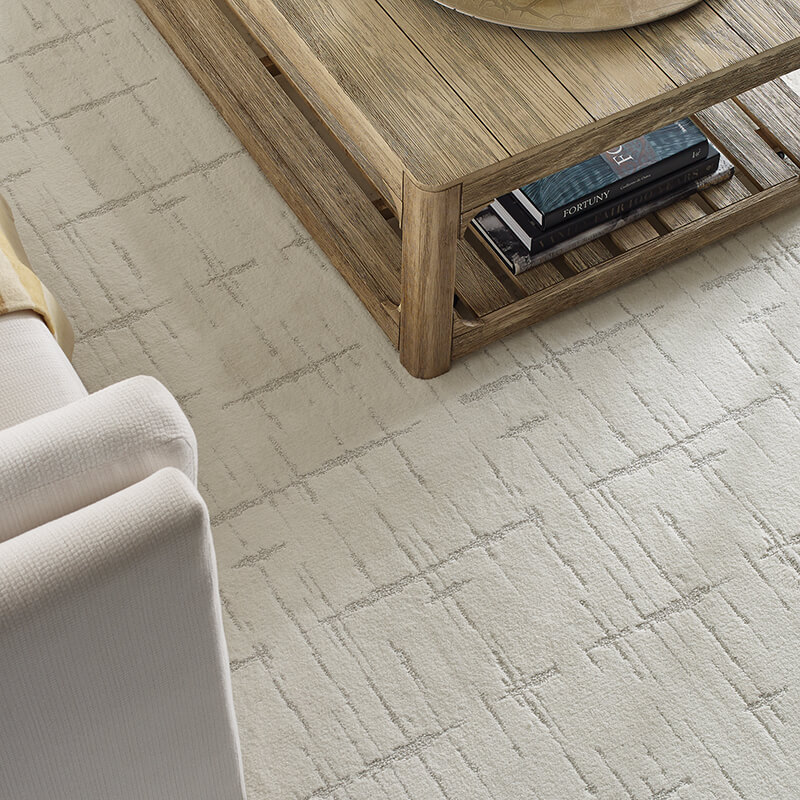
Patterned carpet has a way of pulling a room together that solid colors rarely match. The repeats give a floor rhythm and personality, whether the design is a soft trellis, a bold geometric, or a quiet tone-on-tone weave. Getting that beauty to look effortless, though, takes thoughtful planning long before the installer ever rolls out the goods.
We at Mill Creek Carpet have spent more than 80 years helping homeowners and builders across South Tulsa, Edmond, Norman, McAlester, Muskogee, Grove, Stillwater, Ardmore, Wichita, KS, and Oklahoma City choose patterned carpet that fits their rooms and their lifestyles. Pattern repeats and seam placement are the two details that quietly decide whether a finished floor looks custom or chaotic. A little upfront measuring and material allowance is what separates a forgettable install from one that draws compliments for years.
Why pattern alignment changes everything
When a pattern marches across a room without breaks or jogs, your eye reads the floor as one continuous surface. When repeats are off by even half an inch at a seam, the design suddenly looks pieced together. The fix starts at the order stage, not the installation stage, and it begins with knowing your repeat size.
Reading the repeat on the roll
Every patterned carpet has a horizontal repeat and a vertical repeat, sometimes called the side match and the end match. These numbers are printed on the sample tag and on the manufacturer spec sheet for every roll. Larger repeats, often 36 inches or more, look stunning in big rooms but require extra material so the design can be matched correctly across each seam.
A common rule of thumb among our flooring experts is to add at least one full repeat of waste per seam. For a 36 inch repeat with three seams, that can mean three extra feet of length on top of your base square footage. Skipping this allowance is the single most common reason pattern jobs come up short on installation day.
Mapping the room before you order
Before any carpet styles get finalized, we sketch the room and lay out the rolls on paper. The goal is to place full pattern repeats in the most visible sightlines, usually the doorway view and the main seating area. Seams then get pushed toward the edges of the room or under furniture wherever possible.
This is also when we look at roll width versus room width. A 12 foot wide room paired with a 13 foot 2 inch wide roll often allows a seamless install with smart trimming. A 14 foot room, by contrast, forces a seam, and that seam should be planned, not improvised.
Keeping seams nearly invisible
Even with perfect ordering, the seam itself has to be cut, joined, and finished correctly. A patterned carpet seam is a different animal than a solid one, because the eye is naturally drawn to any break in the design. Two principles guide every seam our installers make, along with a few choices that quietly stack the odds in your favor.
Cutting along the pattern, not the backing
Solid carpet is cut from the back. Patterned carpet has to be cut from the face, following the design line, so the repeat continues uninterrupted across the joint. A row of stitches or a printed motif that lines up across the seam is what makes the floor read as one piece.
Direction, light, pattern scale, and traffic
Seams placed perpendicular to the main light source disappear better than seams running toward it. We also avoid seams in heavy traffic lanes, where pile crush will eventually highlight any subtle mismatch. Small, dense, or slightly irregular patterns from our wider collection of flooring products forgive minor variations far better than large, perfectly geometric ones, so the right pattern choice can save real headaches later.
Visit us and plan it right
Patterned carpet rewards careful planning, and that is exactly the kind of conversation our showrooms were built for. Stop by any of our showrooms to see full repeats in person, talk through your room layout, and schedule a design consultation with one of our in-house consultants. We will help you order the right amount, place every seam with intention, and bring your patterned floor to life beautifully.


